PRO-ACTIVE
What if you could identify and address potential adverse conditions before they become a problem.
Proactive measures on construction projects are essential for ensuring smooth progress, minimizing risks, and achieving successful outcomes.
Here are some key proactive measures that can be implemented:
• Provide input during design on the potential benefits and challenges of alternative methods of design.
• Provide suggestions during construction on what we notice that may result in future challenges.
• Involve key stakeholders in the decision-making process.
By incorporating proactive measures, construction projects can enhance their overall efficiency, reduce risks and increase the likelihood of successful completion.
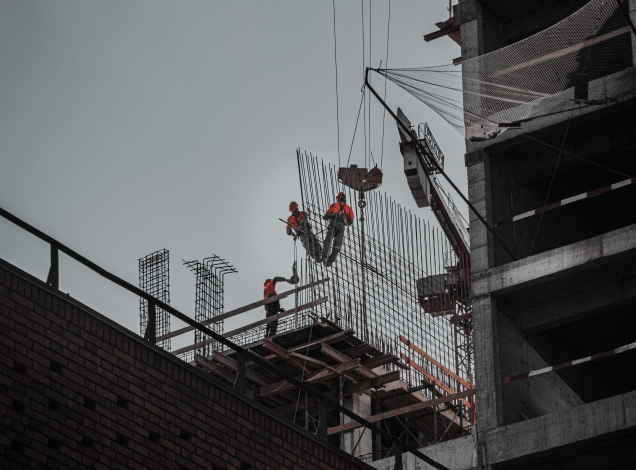
Specific Solutions
Construction projects often encounter various challenges that require specific solutions. Common construction challenges and specific solutions to address challenges such as 1) Poor Weather Conditions, 2) Safety Concerns, 3) Design Changes, 4) Regulatory Compliance, and 5) Changed conditions.
Specific solutions would potentially include:
1) Poor weather: Plan construction schedules to account for seasonal weather patterns. Use weather monitoring tools to anticipate adverse conditions. Implement temporary protective measures, such as grading to promote drainage, and placement of tarps on sensitive areas.
2) Safety: Foster a safety culture within the project team.
3) Design Changes: Encourage early collaboration between designers, engineers, and contractors to minimize design changes. Clearly define project requirements and scope before construction begins. Comply with the design/construction team’s change order process with proper documentation and approvals.
4) Regulatory Compliance: Maintain our understanding of local building codes and regulations. Establish a close relationship with regulatory authorities for clear communication. Regularly update project teams on any changes in regulations.
5) Changed Conditions: Conduct thorough site assessments before construction begins. Develop contingency plans for potential issues, such as encountering unexpected soil conditions. Regularly update project teams on site conditions.
Each construction project is unique, so the solutions may need to be adapted based on the specific circumstances. Regular risk assessments, effective project management, and proactive problem-solving contribute to successful construction outcomes.
